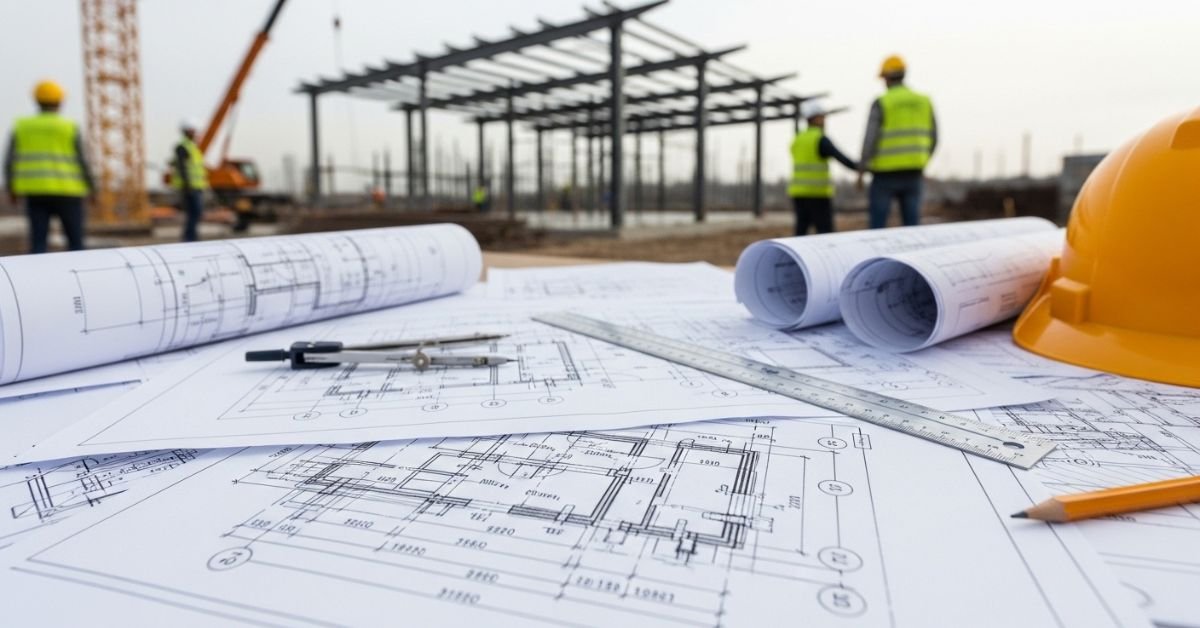
Why Accurate Planning and Technical Drawings Matter in Construction
Construction tasks involve many more than bricks, steel, and exertion. Behind every successful shape lies a carefully advanced plan and a set of specific technical drawings that manual every level of work. Without these foundations, initiatives can quickly go with the agenda, exceed budgets, or face structural and protection troubles. Accurately making plans guarantees that everybody involved understands what desires to be achieved, when it must take place, and what sort of it’s going to value will be.
Technical drawings, on the other hand, rework thoughts into buildable instructions. They communicate dimensions, materials, layouts, and installation details in a way that words by myself can not. When planning and drawing work collectively, they achieve clarity, lessen uncertainty, and help teams deliver regular consequences. In nowadays’s aggressive production surroundings, this stage of precision is vital for success.
Establishing Realistic Budgets Before Work Begins
Every production assignment starts off with a financial vision. Stakeholders want to recognise how a lot the project will cost and whether or not the investment makes sense. Detailed budgeting considers substances, labor, device, permits, transportation, and unexpected contingencies. Without this breakdown, monetary surprises are almost inevitable.
Professional Construction estimators compare the undertaking necessities using drawings, specifications, and market information. Their aim is to provide cost projections that are accurate and practical. Reliable estimates assist steady funding, manual procurement techniques, and save you from mid-assignment financial crises.
A realistic price range also permits mission managers to prioritize spending. Essential structural additives and safety measures can be covered, while non-essential capabilities can be adjusted if necessary. This balance keeps initiatives financially stable from start to finish.
Minimizing Financial and Scheduling Risks
Poor planning often leads to underestimated prices and unrealistic timelines. When charges exceed expectancies, contractors can be forced to slow down work, renegotiate contracts, or compromise on payment. Similarly, misguided schedules can disrupt coordination amongst subcontractors and providers.
Thorough analysis reduces those risks with the aid of identifying ability challenges in advance. For instance, site conditions, cloth availability, and climate patterns can all have an impact on mission timelines. Addressing those elements early permits groups to create more dependable schedules.
Accurate planning also helps green aid allocation. Labor, system, and substances can be organized inside the right collection, stopping idle time and bottlenecks. This proactive method keeps projects shifting smoothly and helps maintain stakeholder self-assurance.
Converting Architectural Concepts into Practical Plans
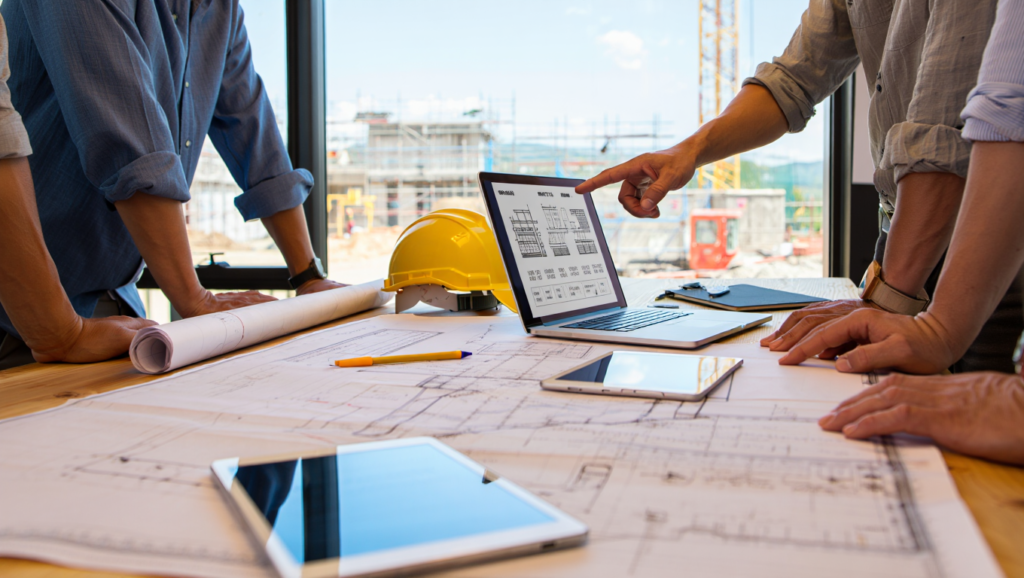
Design thoughts must be translated into unique instructions before construction can start. Technical drawings offer the specific statistics needed to execute the design as it should be. They specify dimensions, structural additives, materials, and installation strategies.
Modern CAD Drafting Services produce highly unique digital drawings that take away ambiguity. These documents make certain that every detail of the shape is represented effectively, from foundation layouts to indoor systems. Digital codecs also make it less difficult to replace plans when modifications arise, decreasing the danger of previous statistics being used on site.
Clear drawings improve workmanship due to the fact contractors can follow actual specifications. This precision reduces mistakes, remodeling, and fabric waste, in the end saving time and money.
Enhancing Collaboration Among Project Stakeholders
Construction initiatives involve architects, engineers, contractors, subcontractors, and customers. Each organization has its own duties, and all must work toward a common intention. Misalignment among teams can result in design conflicts, delays, and additional charges.
Detailed technical drawings act as a shared reference point that keeps everybody coordinated. Structural, mechanical, electrical, and plumbing structures may be included to make sure they do now not interfere with each other. Identifying capability clashes at some stage in the planning phase prevents high-priced corrections later.
Digital collaboration tools similarly decorate communication. Stakeholders can review drawings remotely, provide comments, and approve revisions in real time. This streamlined manner quickens decision-making and decreases misunderstandings.
Gaining Accuracy Through Specialized Expertise
Not all construction companies have the in-house capacity to perform distinctive fee evaluation and technical evaluation. External experts regularly provide a precious guide by means of providing specialised knowledge and confirmed methodologies.
Reputable Construction estimating companies deliver complete planning services, inclusive of feasibility tests and fee optimization strategies. Their experience across numerous tasks permits them to count on challenges and advise sensible answers. By leveraging external understanding, task owners gain a more goal-oriented and accurate economic outlook.
Outsourcing estimation tasks can also improve performance. Internal groups can recognize on design, coordination, and execution while experts handle complex financial analysis.
Supporting Informed Decisions Throughout the Lifecycle
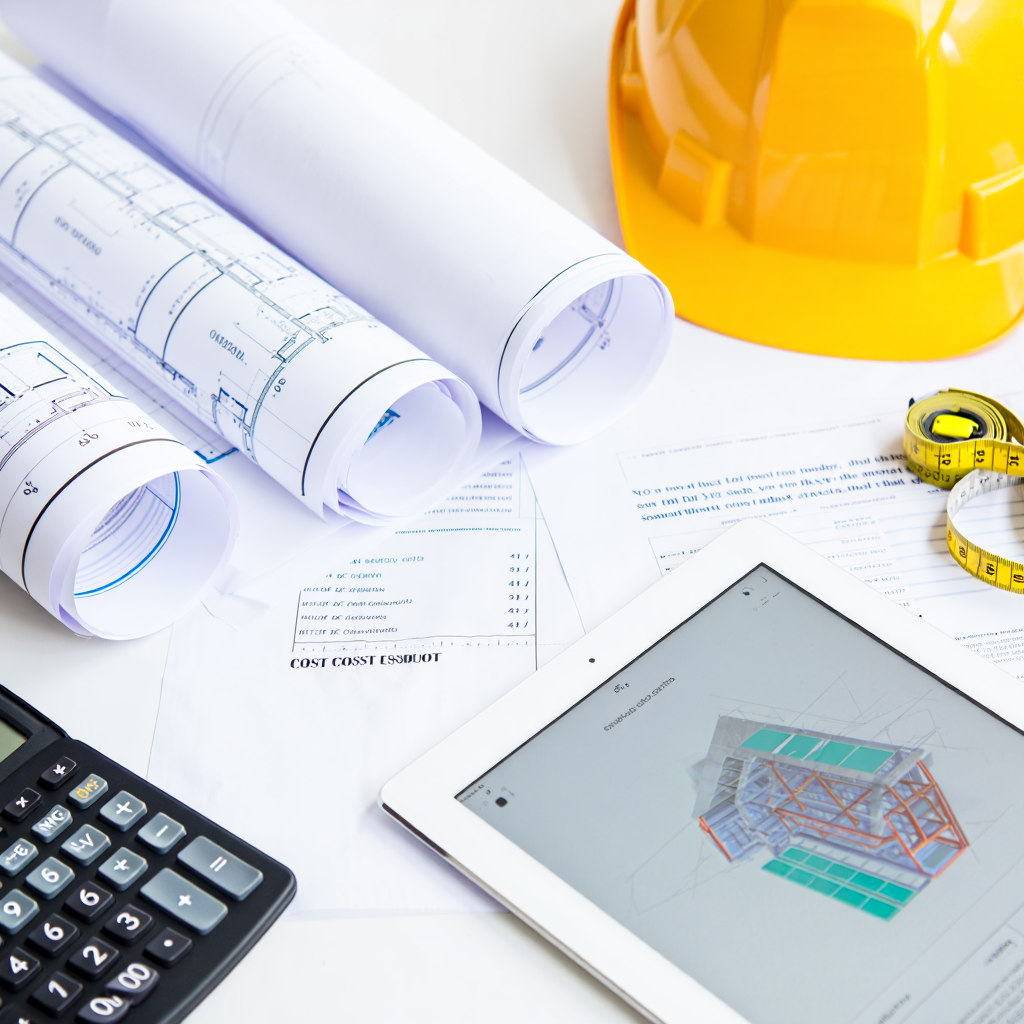
Accurate planning and drawings generate dependable statistics that support decision-making at every stage of creation. Stakeholders can examine alternative substances, structural systems, or creation techniques based on cost, durability, and performance.
For instance, selecting among one-of-a-kind building materials may also monitor opportunities to reduce fees while maintaining the best. Adjusting the assignment timeline can optimize exertion usage and reduce additional time charges. Data-pushed choices reduce guesswork and cause more predictable consequences.
Transparent records additionally strengthen communication with traders and customers. When selections are subsidized through clear proof, stakeholders feel more assured and engaged in the method.
Improving Safety and Compliance
Safety is a top priority in construction, and proper planning plays a chief role in protecting employees and occupants. Technical drawings pick out structural requirements, load capacities, emergency exits, and different protection functions that must be integrated into the layout.
Accurate documentation also helps make certain compliance with construction codes and rules. Authorities normally require certain plans before granting permits, and mistakes can postpone approvals. By preparing particular drawings and calculations in advance, teams can streamline regulatory approaches.
A properly-planned challenge reduces on-website online hazards because potential dangers are anticipated in place of being located suddenly. This proactive technique contributes to a safer working environment and better production best.
Final Thoughts
Accurately making plans and technical drawings is the spine of any successful creation project. They provide clarity, control fees, enhance coordination, and reduce risks from the earliest concept to very last crowning glory. Without them, tasks are a long way much more likely to come across delays, price range overruns, and high-quality troubles.
Investing in specific instruction is not only a technical requirement — it is a strategic gain. Projects guided through unique data and clean instructions gain higher performance, stronger financial performance, and higher client pride.
As production projects continue to grow in complexity, the importance of thoroughly making plans and accurate documentation will only increase. Organizations that prioritize those elements role themselves for constant fulfillment in a demanding and aggressive enterprise.
Frequently Asked Questions
1. Why is making plans essential earlier than beginning construction?
Planning ensures that budgets, timelines, resources, and dangers are truly understood, stopping luxurious surprises throughout execution.
2. How do technical drawings improve project accuracy?
They provide actual dimensions and specifications, permitting contractors to construct in keeping with specific instructions as opposed to assumptions.
3. Can designated making plans lessen production delays?
Yes. Identifying potential problems early facilitates teams prepare answers earlier, minimizing interruptions as soon as work starts.
4. Is expert estimation important for all projects?
While huge initiatives gain the maximum, even smaller tendencies can reap better cost management and efficiency thru expert planning.