Your Complete Elevator Shoes Buying Guide: Choosing Quality That Lasts
The elevator shoe market has expanded significantly in recent years, which is broadly good news for consumers; more competition typically drives up quality and drives down prices. At the same time, the sheer volume of options now available demands a sharper eye from anyone serious about getting it right. The range of quality available is enormous, from poorly constructed shoes that will cause discomfort within hours and deteriorate within months, to genuinely exceptional footwear that combines artisanal craftsmanship with sophisticated ergonomic engineering. The difference between a pair you wear with pride for years and one you quietly retire within months comes down entirely to knowing which details actually matter.
Start With the Internal Lift Construction
The internal lift is the defining feature of an elevator shoe, and it is the first thing you should investigate when evaluating any pair. Quality lifts are constructed from multiple layers: a firm base for structural height, a contoured mid-layer for arch and metatarsal support, and a soft top layer for contact comfort. Single-piece foam lifts, common in budget models, flatten quickly, provide inadequate support, and often create uneven pressure across the foot.
When reviewing a shoe’s specifications, look for descriptions of anatomically contoured insoles, layered lift construction, or specific references to arch support and metatarsal cushioning. If a manufacturer provides no information about the internal lift design, that is itself a warning sign about the level of engineering that has gone into the shoe.
Upper Material Quality
The external material of the shoe upper is the second major quality indicator. Full-grain leather is the premium standard for dress and smart-casual elevator shoes. It is durable, develops a beautiful patina over time, molds gently to the foot’s shape, and breathes better than most synthetic alternatives. Top-grain leather is a slight step down but still represents good quality for mid-range options.
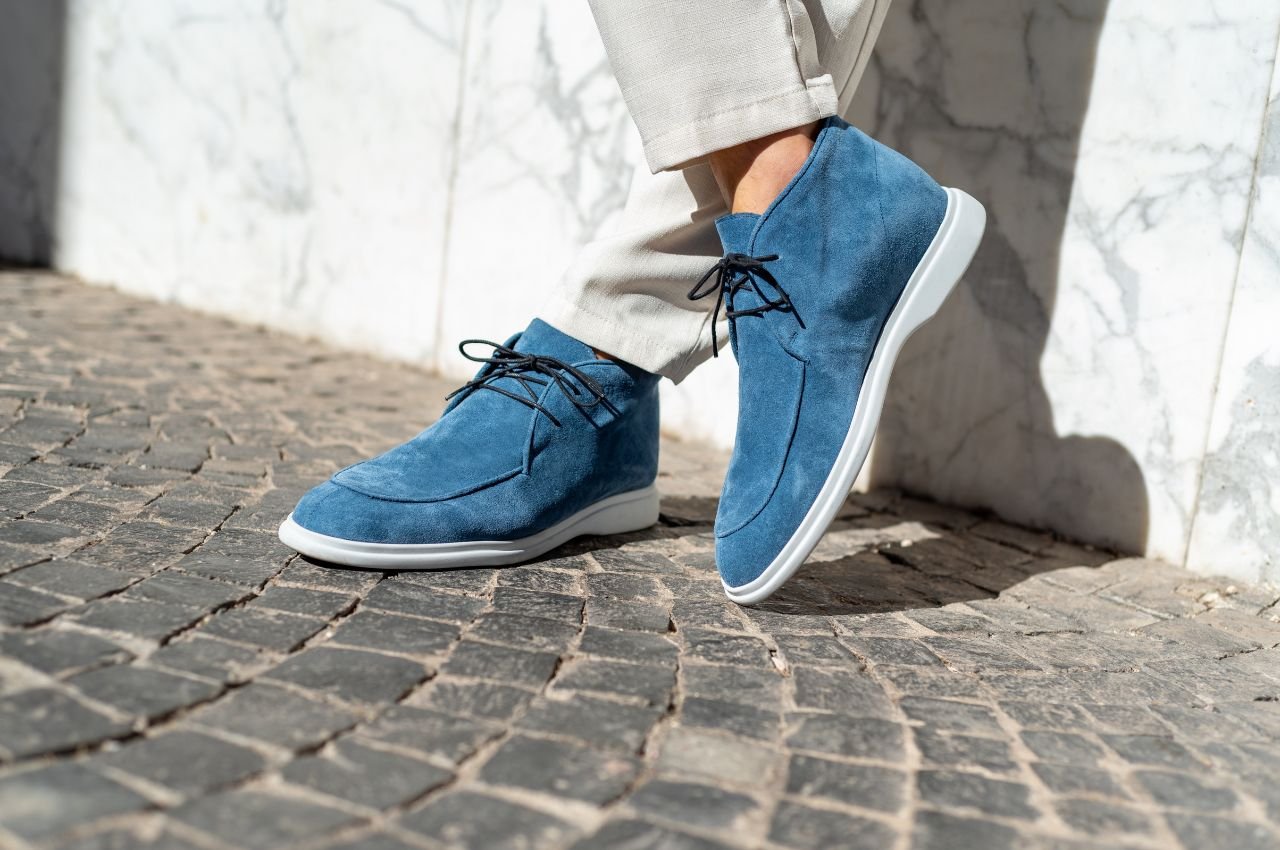
Suede uppers are appropriate for casual styles and offer a sophisticated texture that photographs beautifully, though they require more care to maintain than smooth leather. Avoid elevator shoes with PU leather or pleather uppers if you are purchasing for frequent, long-term use; these materials crack and peel relatively quickly and do not mould to the foot the way genuine leather does.
Construction Method: Goodyear Welt vs. Blake Stitch vs. Cemented
How the upper and sole are joined together significantly affects the shoe’s durability and resolability. Goodyear welt construction, where a strip of leather runs around the perimeter of the shoe binding the upper and sole, is the most durable and water-resistant method, and allows the shoe to be resoled multiple times. Blake stitch construction, common in Italian dress shoes, is more flexible and produces a sleeker profile, though it is slightly less water-resistant. Cemented construction bonds the sole to the upper using adhesive alone, making it the weakest of the three methods and the only one that offers no path to resoling when the outsole eventually wears through.
For elevator shoes you intend to wear regularly over many years, Goodyear welt or Blake stitch construction represents a significantly better long-term investment than cemented alternatives.
GuidoMaggi uses traditional Italian construction methods on all of its elevator shoes, including Blake and Goodyear welt techniques depending on the style, ensuring that every pair can be maintained, resoled, and enjoyed for years, which is a critical factor when investing in premium footwear.
Fit and Sizing
Elevator shoes should fit your foot the same way any quality shoe should: snug but not tight around the heel and midfoot, with adequate room in the toe box for natural toe movement. Because the internal lift alters the shoe’s internal volume slightly, some brands recommend sizing up by half a size, while others design their lasts to account for this. Always check the specific brand’s sizing guidance before ordering.
Online purchasing, which has become the primary channel for elevator shoe shopping, requires particular attention to return and exchange policies. Given that fit assessment requires actual wear, purchasing from brands that offer generous return windows (at least 30 days, ideally more) and straightforward exchange processes is important.
Brand Transparency and Customer Reviews
Reputable elevator shoe brands are transparent about their construction methods, materials, and manufacturing origins. They provide detailed product descriptions, clear photographs of the shoe from multiple angles, and genuine customer reviews. Be sceptical of brands whose product descriptions are vague or whose reviews appear uniformly positive without meaningful detail.
Price as a Proxy for Quality
In the elevator shoe market, as in footwear generally, price broadly correlates with quality, but not perfectly. The sweet spot for most buyers lies in the mid-to-premium range, where genuine leather construction, proper internal lift engineering, and quality outsoles come together without the extreme price premium of fully bespoke options. Investing appropriately in your first purchase will serve you far better than cycling through multiple cheaper pairs.